

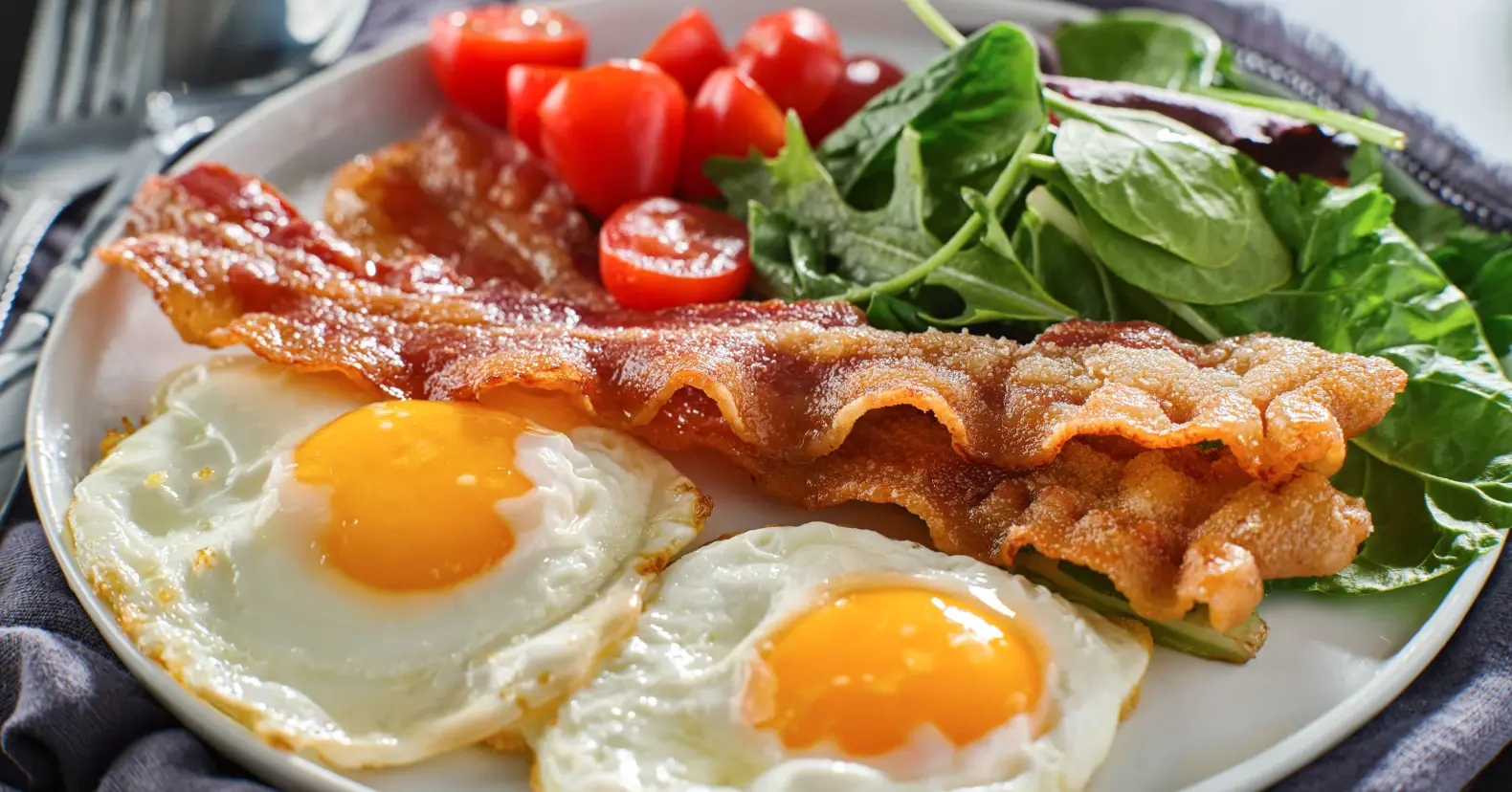
If you’re trying to get sober, your brain and body are already going through a massive reset. Drugs and alcohol mess with your blood sugar, gut, neurotransmitters, and sleep—basically everything that decides whether you feel like a zombie or a human. The good news? What you eat can speed up the healing process and cut cravings, mood swings, and that awful “I’m dying” feeling. Here are the three biggest diet moves that actually work—and why they matter.
1. Eat protein at every single meal (and snack)
Eggs, chicken, fish, Greek yogurt, tofu, beans, turkey, cottage cheese—whatever you can get your hands on. When you were using, your brain got fake “feel-good” chemicals on demand. Now it has to rebuild its own dopamine and serotonin the slow, natural way. Protein gives your body the amino acids (especially tyrosine and tryptophan) it needs to make those neurotransmitters. Without enough protein, cravings get brutal and depression creeps in fast. Real teens in recovery programs say the days they skip protein are the days they feel most likely to relapse. Aim for at least 20–30 grams per meal. A turkey and cheese roll-up or a protein shake between classes can literally save your mood.
2. Stabilize blood sugar like your sobriety depends on it (because it kinda does)
Alcohol and most drugs spike and crash your blood sugar worse than a bag of Halloween candy. When you first get sober, those crashes feel like panic attacks, irritability, and “I need something NOW.” Eating every 3–4 hours with a mix of protein + healthy fat + complex carbs keeps your blood sugar steady and your brain calm. Think apple + peanut butter, oatmeal with nuts and berries, chicken wrap with avocado, or rice/beans/cheese. Ditch the energy drinks, Monster, and straight soda—they mimic the exact same rollercoaster you’re trying to get off. Steady blood sugar = fewer cravings and way less “I’m losing my mind” moments.
3. Load up on omega-3s and magnesium (the “chill out” nutrients)
Your brain is inflamed from substance use, and that inflammation shows up as anxiety, insomnia, and rage that comes out of nowhere. Omega-3 fatty acids (found in salmon, sardines, chia seeds, flaxseeds, and walnuts) are literally anti-inflammatory for your brain. Studies on teens and young adults in recovery show that higher omega-3 levels cut depression and cravings significantly. Magnesium (spinach, pumpkin seeds, almonds, dark chocolate, bananas) relaxes muscles, helps you sleep, and stops that twitchy “restless everything” feeling. If pills freak you out, just add a handful of pumpkin seeds as a snack and some canned salmon a couple times a week. Or ask your doctor about a fish oil and magnesium glycinate supplement—tons of sober teens swear by them.
Bottom line: you don’t need a perfect diet. You just need to stop eating like you’re still using. When you give your body real food—especially protein, steady carbs, and brain-healing fats—you give your brain a fighting chance to rebuild itself. The first weeks are rough, but once your blood sugar stops crashing, your sleep improves, and your brain starts making its own happy chemicals again, you’ll actually feel what “normal” is supposed to feel like. And that feeling? It’s worth way more than any high you’re chasing.
You’ve got this. One meal at a time.