

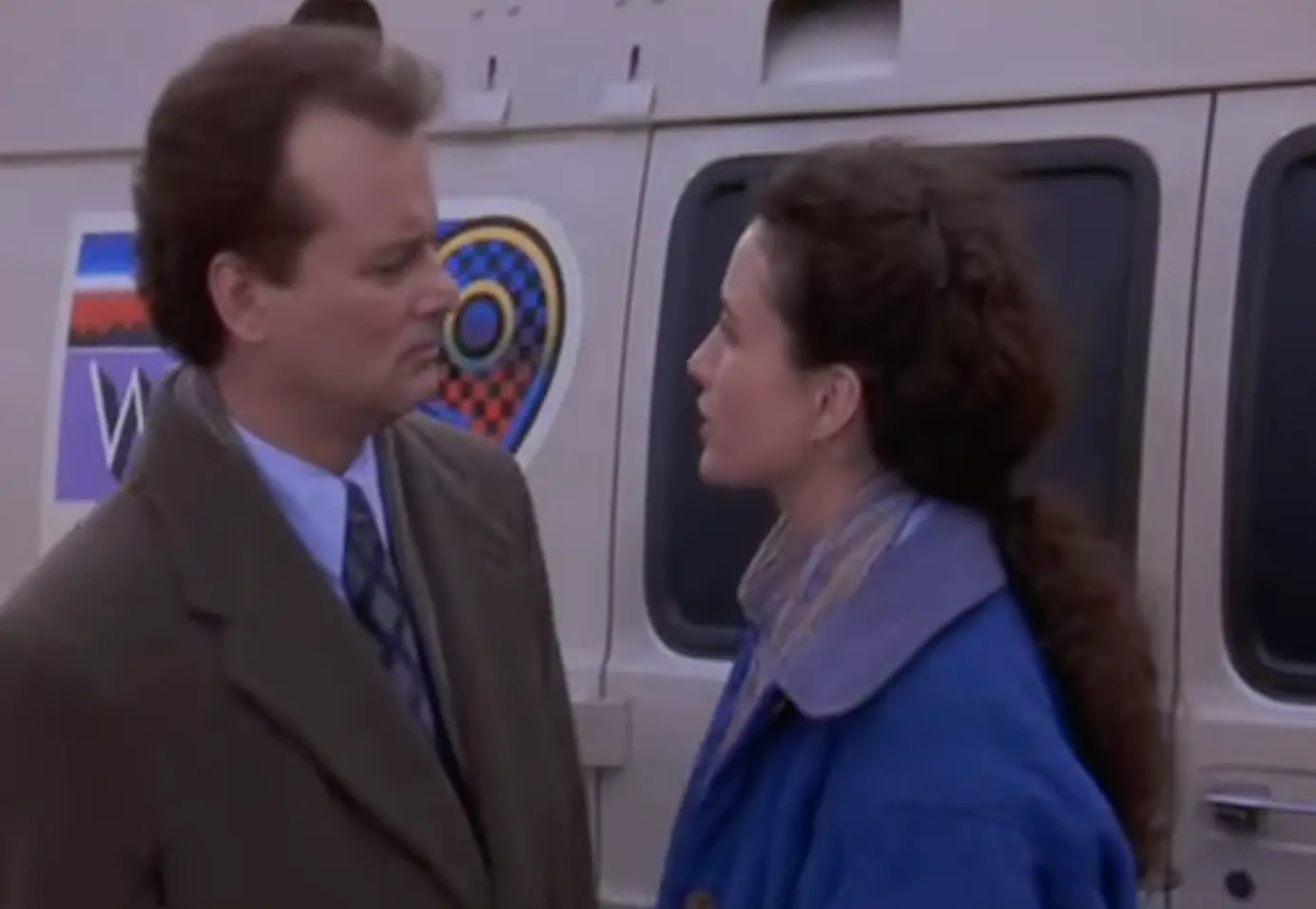
February usually brings up two predictable things: Valentine’s Day and awkward heart-shaped candy. But there’s another February moment that doesn’t get nearly enough love — and it’s Groundhog Day, on Feb. 2. Yes, Punxsutawney Phil, the furry prognosticator of weather, is adorable, but our appreciation for Groundhog Day centers on a movie. It is from before many of us were born, but hang with us here because the 1993 flick Groundhog Day turns out to be a surprisingly perfect metaphor for recovery.
If you’ve never seen it, the basic idea is this: Bill Murray’s character wakes up and relives the same day over and over again. Same alarm. Same conversations. Same mistakes. No matter what he does, he’s stuck in the loop—until he starts changing himself.
Sound familiar?
For a lot of people in substance use and early recovery, life can feel like that same-day replay. Same triggers. Same reactions. Same regrets. Same “I’ll do better tomorrow” promise—followed by waking up in the same place again. That loop can feel exhausting, frustrating, and pretty hopeless.
The good news? Just like in the movie, the loop isn’t broken by perfection. It’s broken by progress.
At first, Bill Murray’s character tries to control everything around him. When that doesn’t work, he gives up. Only later does he start paying attention to his choices: how he treats people, how he spends his time, how he responds when things don’t go his way. That’s when the day finally changes.
Recovery works a lot like that.
You don’t wake up one morning suddenly “fixed.” You wake up and do one thing differently. You call someone instead of isolating. You go to a 12-Step meeting even when you don’t feel like it. You show up to a sober weekend event instead of staying home and scrolling. Those small choices add up—even when it doesn’t feel dramatic in the moment.
One powerful recovery skill is learning to recognize your personal “loop.”
Ask yourself:
- What situations do I keep ending up in?
- What thoughts show up right before I want to use?
- What emotions do I try hardest to avoid?
Noticing patterns isn’t about judging yourself—it’s about gaining awareness. Awareness gives you options. And options are where freedom starts.
Another underrated part of recovery? Celebrating small wins. In the movie, change doesn’t happen all at once. It happens through trial and error. Recovery is the same. A win might be:
- getting through a tough day without using,
- sharing honestly in a meeting,
- laughing at a sober social event when you didn’t think you’d fit in, and
- asking for help instead of pretending you’re fine.
Those moments matter. They’re proof that you’re not stuck, even when it feels repetitive.
Reflect for change
Take a few minutes to write or talk about:
- One “loop” you’re ready to break this month
- One new habit you want to practice (even imperfectly)
- One positive outcome you’re hopeful for by spring
No pressure. No guarantees. Just intention.
Recovery isn’t about never having hard days. It’s about learning how to live differently when those days show up. Programs that offer connection —l ike the 12-Step meetings and sober social weekends FullCircle provides — exist because no one breaks the cycle alone.
February doesn’t have to be about romance or pressure or comparison. It can be about something quieter and more powerful: waking up and choosing a new day, even if everything around you looks the same.
And one day, without realizing it at first, the loop breaks.
‘Groundhog Day’ movie shows how to break the cycle
In this classic scene from Groundhog Day, Phil wakes up to the same morning again—and again. It’s funny on screen, but it also mirrors how easy it is to feel stuck in the same patterns in real life. Recovery begins when we notice the loop and choose to do something different.